
How To Clean And Maintain Laminate Flooring
Laminate holds up well when you keep dirt off the surface and moisture under control. The mistake is cleaning it like tile. Laminate usually wants less water, faster spill cleanup, and a little more attention around seams, edges, pet bowls, entry doors, and other places where moisture can sit.
Clean laminate mostly dry. Sweep, dust mop, or vacuum regularly, then use a lightly damp microfiber mop only when necessary. Clean spills promptly, avoid standing water, and follow the specific manufacturer's cleaner and moisture instructions for the laminate you own.
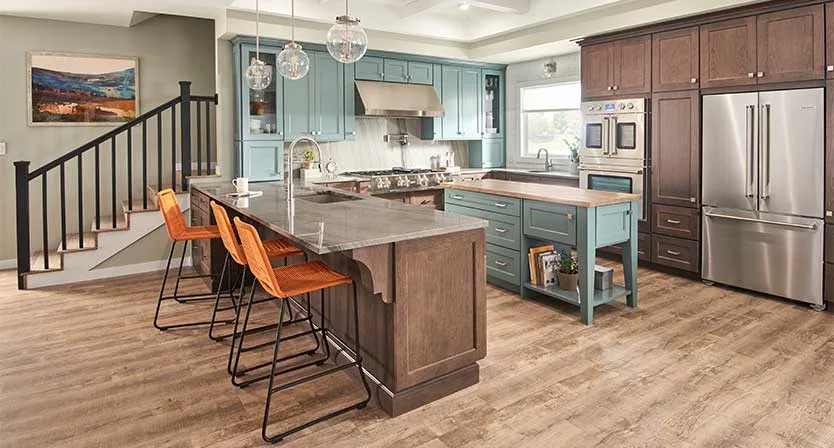
Modern laminate is a much better product than many homeowners remember from years ago. Good collections can have detailed wood grain, realistic texture, tough wear surfaces, beveled edges, and strong resistance to everyday scratching.
What has not changed is the basic construction. Most laminate uses a wood-based core underneath the decorative and wear layers. That is why moisture management matters so much. A durable top surface can still be paired with a core that does not appreciate prolonged water exposure.
The Best Routine For Cleaning Laminate
Think of laminate maintenance in two stages: dry cleaning first, limited damp cleaning second. If the floor is just dusty or gritty, adding water does not improve the job.
Step 1: Remove Grit
Use a soft broom, microfiber dust mop, or vacuum on a hard-floor setting. Pay attention to exterior doors, kitchens, hallways, and pet areas where dirt tends to collect.
Step 2: Spot Clean
For a small mark or spill, clean the affected area instead of wetting the whole room. A microfiber cloth is often all you need.
Step 3: Light Damp Mop
When the whole floor needs more than dry cleaning, use a microfiber mop that is damp rather than wet. Follow the laminate manufacturer's approved cleaner directions.
Step 4: Dry Problem Areas
Do not leave moisture sitting along plank joints, walls, transitions, under cabinets, or around pet bowls. Wipe those areas dry.
How Much Water Is Too Much
If you can see puddles, standing droplets, or a visibly wet trail that takes a long time to dry, you are using more moisture than necessary. The goal is a lightly damp pass that loosens soil and evaporates quickly.
Avoid pouring cleaning solution directly on laminate. Do not flood-mop the floor. And unless the flooring manufacturer specifically approves it, do not assume a steam mop is safe.
Water-Resistant Is A Warranty Term, Not A License To Soak The Floor
Some newer laminate collections have enhanced edge treatments and surface systems designed to resist spills for a defined period. That can be a real benefit. It does not mean the core, perimeter, subfloor, baseboards, or every joint in the room can stay wet indefinitely.
What Water-Resistant Laminate Actually Means
This is where homeowners get understandably confused. You will see laminate described as water-resistant, waterproof, waterproof-surface, spill-resistant, or other similar language. Those terms are not always defined the same way from one manufacturer to another.
The only definition that matters for your floor is the one in the product's warranty and installation instructions. Some products allow topical spills for a certain number of hours. Some require perimeter sealing in kitchens or other rooms. Some exclude bathrooms or wet areas. Some have specific instructions around dishwashers, toilets, exterior doors, and water bowls.
So when somebody asks, "Is laminate waterproof?" the better question is, "What does this exact product allow, in this exact room, under its warranty?"
How To Handle Spills On Laminate
Fast cleanup is the best policy. Blot liquid, clean the residue, and dry the surface. Pay special attention to seams and edges where liquid can work its way into the plank system.
Pet Accidents
Clean them promptly. Even if the surface is rated for water resistance, urine can leave odor and residue at edges or under trim if it sits.
Water Bowls
Use a waterproof tray or mat underneath the bowl and dry splashes regularly. Repeated small spills in the same location can be more damaging than one obvious spill that gets cleaned immediately.
Kitchen Spills
Wipe them up rather than letting them air dry. Also check under the refrigerator, dishwasher, sink cabinet, and ice-maker line if you notice unexplained moisture.
How To Prevent Scratches On Laminate
Scratch resistance is one of laminate's strongest selling points, but the surface can still be damaged by grit, furniture, sharp metal edges, or repeated rolling loads.
- Use walk-off mats at exterior doors.
- Put clean felt pads under furniture legs.
- Lift furniture when moving it instead of dragging it.
- Use a hard-floor chair mat under frequently used rolling office chairs.
- Keep pet nails trimmed.
- Vacuum grit regularly, especially in entryways and around dining chairs.
- Do not let damaged furniture glides or exposed metal contact the floor.
What Cleaner Should You Use On Laminate
The safest choice is a cleaner specifically approved by the flooring manufacturer for laminate. Avoid turning the floor into a chemistry experiment. Harsh cleaners can attack finishes, while waxes and polishes can leave films that make the floor look streaky or dull.
If the floor is new and you still have the paperwork, check the care guide. If you do not know the brand or collection, use a laminate-safe neutral cleaner sparingly and test a small inconspicuous area first.
Good Habits
- Dry clean frequently
- Use microfiber
- Clean spills promptly
- Use limited moisture
- Protect furniture contact points
- Follow the product warranty
Risky Habits
- Flood mopping
- Letting puddles sit
- Using steam without manufacturer approval
- Dragging furniture
- Using wax or polish unless specifically required
- Ignoring recurring moisture at appliances or exterior doors
Where Laminate Is Easiest To Maintain
Laminate flooring is especially easy to live with in spaces that stay mostly dry: living rooms, bedrooms, offices, dining rooms, hallways, and many rental or family spaces.
For bathrooms, laundry rooms, wet basements, or other spaces where water is part of daily life, compare laminate with luxury vinyl plank or tile before you choose. A newer water-resistant laminate may be approved for some of those areas, but the product instructions should decide, not the label on a showroom sample.
Laminate Care Vs. LVP Care
| Care Topic | Laminate | Luxury Vinyl Plank |
|---|---|---|
| Routine Cleaning | Mostly dry cleaning, lightly damp mop when needed | Dry cleaning plus occasional thoroughly wrung damp mop |
| Standing Water | Avoid, especially at seams and edges | Still wipe promptly even with waterproof plank construction |
| Steam | Only if the specific manufacturer explicitly allows it | MSI Everlife specifically says no steam mops |
| Scratch Prevention | Felt pads, mats, trimmed pet nails, grit control | Same, plus rubber chair casters recommended by MSI |
| Best Moisture-Prone Rooms | Depends heavily on exact product approval | Usually the safer choice when moisture is the main concern |
Laminate Flooring Care FAQs
Can I wet mop laminate flooring?
Use as little moisture as necessary. A lightly damp, well-wrung microfiber mop is generally safer than a traditional wet mop. Follow the care instructions for your exact laminate product.
Can I use a steam mop on laminate?
Do not assume steam is safe. Use steam only if the manufacturer of your specific laminate explicitly approves it in the care instructions and warranty.
What does water-resistant laminate mean?
It means the product has some level of protection against topical moisture under defined conditions. The allowed exposure time, approved rooms, perimeter requirements, and exclusions vary by product, so read the warranty.
How do I stop laminate from getting scratched?
Keep grit off the floor, use entry mats and felt pads, trim pet nails, protect rolling-chair areas, and lift furniture instead of dragging it.
Is laminate good for kitchens?
Some modern laminate products are approved for kitchens. Check the exact product's water-resistance requirements and installation instructions before using it near sinks, dishwashers, refrigerators, or other water sources.
Choosing Laminate In Rolla
Bring room photos, cabinet colors, paint swatches, and questions to Farmhouse Flooring. We can help you compare laminate and LVP side by side so the decision is based on the room, not just the sample.