Hardwood Floor Maintenance: How To Protect, Clean And Refresh Wood Floors
Hardwood can last for decades because it can be maintained, refreshed, and in many cases refinished instead of simply replaced. The tradeoff is that real wood responds to water, grit, sunlight, humidity, pets, furniture, and everyday wear. A good maintenance routine protects both the finish and the wood underneath it.
Sweep or vacuum hardwood regularly, use a cleaner approved for your floor's finish, keep water and steam under control, use rugs and felt pads in high-wear areas, trim pet nails, and keep indoor humidity reasonably stable. When the finish looks tired, a professional buff-and-coat may restore protection without full sanding. Deep damage, exposed wood, widespread wear, or a major color change usually calls for sanding and refinishing.
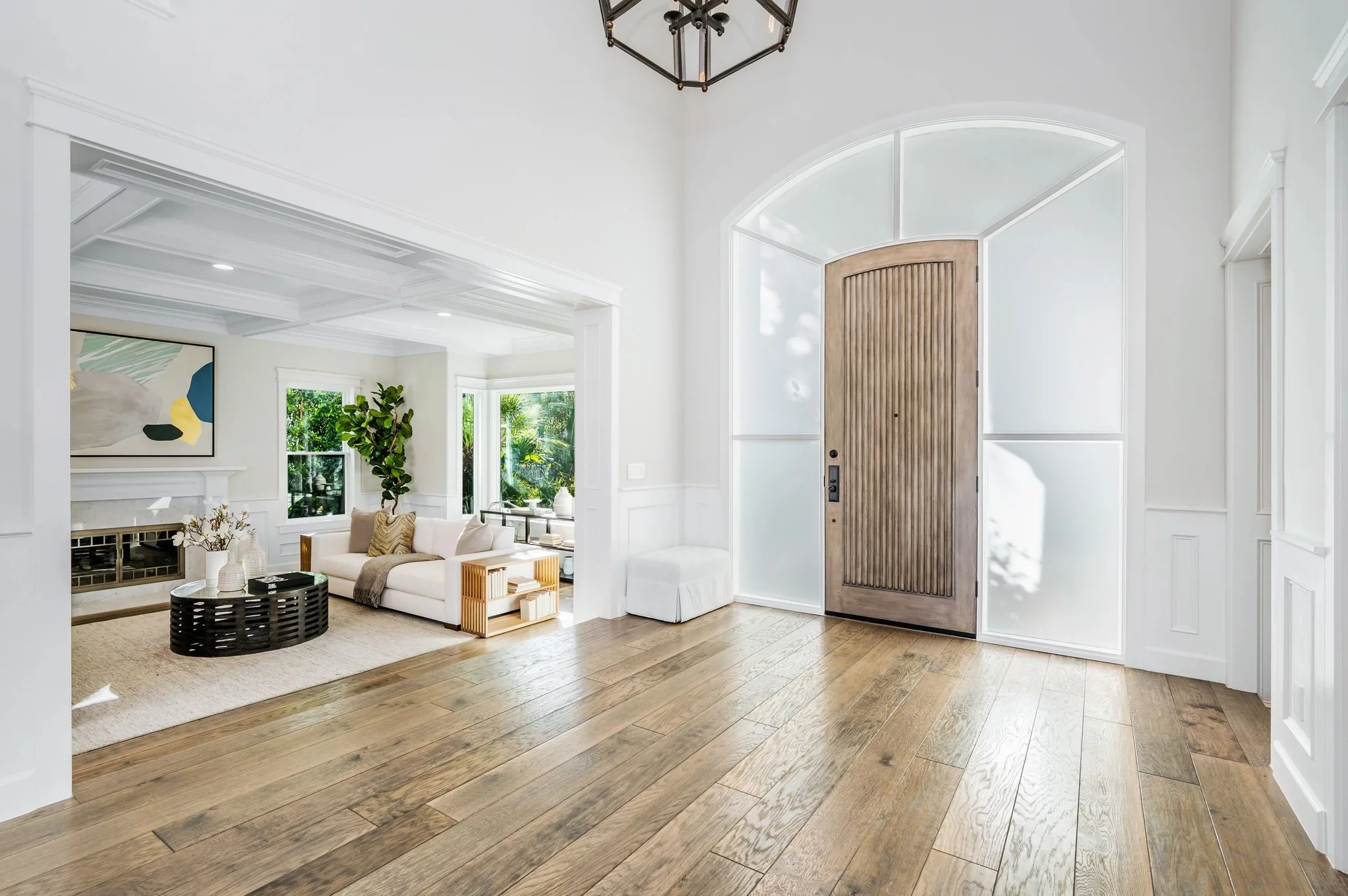
Hardwood flooring is different from laminate and vinyl because the visible surface is real wood. That is what gives hardwood its grain, variation, warmth, and ability to age gracefully. It is also why the floor reacts to the environment around it.
The maintenance plan is not complicated. The biggest wins come from controlling grit, moisture, furniture contact, pet claws, and seasonal humidity before they become visible damage.
A Practical Hardwood Cleaning Routine
Hardwood does not need aggressive cleaning. In most homes, the best routine is frequent dry soil removal and occasional cleaning with the correct product for the finish.
Sweep Or Vacuum Regularly
Use a soft broom, microfiber dust mop, or vacuum designed for hard flooring. Fine grit can act like sandpaper under shoes, chair legs, and furniture.
Clean Spills Promptly
Blot liquids and dry the area. Do not let water sit at board edges, near baseboards, or under rugs.
Use The Right Cleaner
Use a cleaner approved by the flooring or finish manufacturer. Avoid assuming that a homemade mixture is safe for every finish system.
Keep Moisture Controlled
Use a lightly damp method only when the floor manufacturer allows it. Do not flood mop hardwood and do not use steam unless the manufacturer specifically approves it.
What Cleaner Should You Use On Hardwood
Hardwood care starts with knowing what finish is on the floor. Most modern prefinished and site-finished hardwood has a urethane-type protective finish. Older floors may have wax, oil, or another system that needs different care.
If you know the brand, use the cleaner recommended by that manufacturer. If you do not know the finish, avoid waxes, oil soaps, strong alkaline cleaners, abrasive powders, and products that promise to "restore shine" by leaving a coating. Those products can complicate a future recoat and may create adhesion problems.
Protect The Finish, Not Just The Wood
The clear finish is the sacrificial layer that takes normal traffic. Once that finish wears through and bare wood is exposed, a simple recoat may no longer be enough.
Where Rugs And Mats Make The Biggest Difference
Area rugs are not just decoration. Used correctly, they can reduce abrasive wear in the exact places that age first.
- Exterior doors: Catch sand, gravel, water, and road salt before they hit the floor.
- Kitchen work zones: Protect areas in front of the sink, refrigerator, and prep spaces, while making sure rugs do not trap moisture underneath.
- Hallways: Reduce concentrated traffic on narrow paths.
- Under dining chairs: Help with repeated chair movement, especially when paired with clean felt pads.
- Pet areas: Use washable mats under food and water bowls.
Choose rug pads that are approved for hardwood finishes. Some rubber or plastic backings can discolor or react with a finish, especially when left in place for long periods.
Why Humidity Matters To Real Wood
Wood is hygroscopic, which means it exchanges moisture with the air. When the indoor environment gets more humid, wood can absorb moisture and expand. When the air becomes very dry, wood can release moisture and contract.
That movement is normal. Problems show up when the changes are extreme, fast, or sustained. In Missouri, air conditioning can pull moisture down in summer while winter heating can make a home very dry. Basements, crawlspaces, new concrete, plumbing leaks, humidifiers, and HVAC problems can all affect the floor too.
Do not chase one universal humidity number if your flooring manufacturer specifies something different. The right target is the environmental range required by the product and warranty. The bigger goal is stability: avoid large swings and keep the home within the recommended range year-round.
| What You See | Possible Cause | What To Do |
|---|---|---|
| Seasonal hairline gaps | Dry indoor air and normal wood contraction | Check indoor humidity and manufacturer guidance before assuming the floor is failing |
| Cupped board edges | Moisture imbalance, leak, wet subfloor, or high humidity | Find and correct the moisture source before sanding or refinishing |
| Finish wearing in traffic lanes | Normal abrasion and grit | Evaluate whether a professional buff-and-coat can restore protection |
| Deep black or gray stains in wood | Moisture or contaminant penetrated the finish | Professional evaluation, often more than a simple recoat |
Hardwood Floors And Pets
Dogs and hardwood can absolutely live together. The key is to manage the things that create concentrated wear.
- Keep nails trimmed so they contact the floor less aggressively.
- Keep entry areas clean so paws do not carry grit through the house.
- Use a mat under food and water bowls.
- Clean accidents quickly.
- Put rugs or runners where a dog repeatedly launches, turns, or runs through the same path.
Large dogs can leave surface scratches on some finishes, especially when nails are long or grit is present. A harder wood species helps, but finish quality and maintenance matter too.
Furniture, Chairs And Sunlight
Use felt pads under furniture and keep them clean. Replace worn pads before metal or plastic is exposed. For rolling office chairs, use a hard-floor chair mat and appropriate casters rather than repeatedly rolling directly on one area.
Sunlight can also change wood color over time. Some species darken; others fade. Area rugs and furniture can create noticeable color differences if they never move. Rotating rugs and moving furniture slightly from time to time can help the floor age more evenly.
Buff-And-Coat Vs. Sanding And Refinishing
This is one of the most valuable things to understand about hardwood maintenance. A floor does not always need to be sanded down to raw wood just because it looks dull.
When A Buff-And-Coat May Be Enough
A professional buff-and-coat, often called a screen-and-recoat, lightly abrades the existing finish so a new compatible finish coat can bond. It can be a good option when the floor has normal surface wear, light scratching, reduced sheen, or traffic lanes but the finish has not worn through to bare wood.
- The wood color is still acceptable.
- Scratches are mostly in the finish, not deep into the wood.
- There is no widespread exposed raw wood.
- The existing finish can accept a new coat after proper cleaning and preparation.
When Full Sanding And Refinishing Makes More Sense
Full refinishing removes the existing finish and sands the wood surface so deeper wear, stains, scratches, and color can be addressed. It is usually the better path when the floor has widespread finish failure, deep gouges, bare wood, significant staining, or when you want to change stain color.
Engineered hardwood needs one extra consideration: the thickness of the real wood wear layer. Some engineered products can be sanded and refinished, some can only tolerate limited sanding, and some are not intended for full refinishing. Confirm the product construction before planning aggressive sanding.
Buff-And-Coat Is Often Best When
- Finish is dull or lightly scratched
- No major color change is needed
- Wood is not exposed across large areas
- You want to restore protection before damage gets deeper
Full Refinishing Is More Likely When
- Deep scratches reach the wood
- Finish is worn through
- Stains have penetrated
- Boards need color correction
- You want a new stain color or major surface reset
When To Call A Flooring Professional
Call before the floor gets to the point where every solution becomes more expensive. If you see finish worn through to bare wood, unexplained cupping, persistent gaps, dark moisture stains, loose boards, squeaks that suddenly appeared, or widespread finish peeling, it is worth getting the floor evaluated.
Moisture issues should be solved before cosmetic work begins. Sanding a cupped floor before the moisture condition stabilizes can create a second problem on top of the first one.
Hardwood Floor Maintenance FAQs
How often should hardwood floors be cleaned?
Remove dust and grit as often as the room needs it, especially at entries and high-traffic areas. Use a manufacturer-approved cleaner only when dry cleaning is not enough.
Can I steam mop hardwood floors?
Do not assume steam is safe. Many hardwood manufacturers do not recommend it because heat and moisture can affect wood, finishes, joints, and adhesives. Follow the care instructions for your exact floor.
How do I know if my hardwood needs a buff-and-coat?
If the floor is dull or lightly scratched but the finish has not worn through to bare wood, a professional recoat may restore protection. The existing finish still has to be compatible and properly prepared.
When does hardwood need sanding and refinishing?
Full refinishing is more likely when there are deep scratches, exposed wood, widespread finish wear, penetrating stains, or when you want to change the stain color.
How does humidity affect hardwood flooring?
Real wood expands and contracts as it exchanges moisture with the air. Keeping the home within the flooring manufacturer's recommended humidity range and avoiding large seasonal swings helps reduce excessive movement.
Protect The Hardwood Before It Needs A Bigger Repair
If your hardwood is looking dull, scratched, cupped, or ready for a refresh, Farmhouse Flooring can help you figure out whether the next step is maintenance, a recoat, refinishing, repair, or replacement.